Helping Kids Reconnect with Nature
Modern children face a growing challenge: too much time indoors and on electronic devices. In response, Tony and Amy Krieg launched “Missouri Kids Unplugged,” a nonprofit initiative in Jefferson County. Their mission is to reconnect youth with nature through structured outdoor activities.
Reclaiming Outdoor Spaces
The Kriegs acquired a 167-acre property once intended as a golf course. Now repurposed, its lakes and creeks serve as play zones, not hazards. The aim is to help children develop a love for nature, away from screens and distractions. According to the American Academy of Pediatrics, children average seven hours daily on electronic devices. The group’s initiative addresses the physical and mental health concerns associated with such habits.
Outdoor Activities and Life Skills
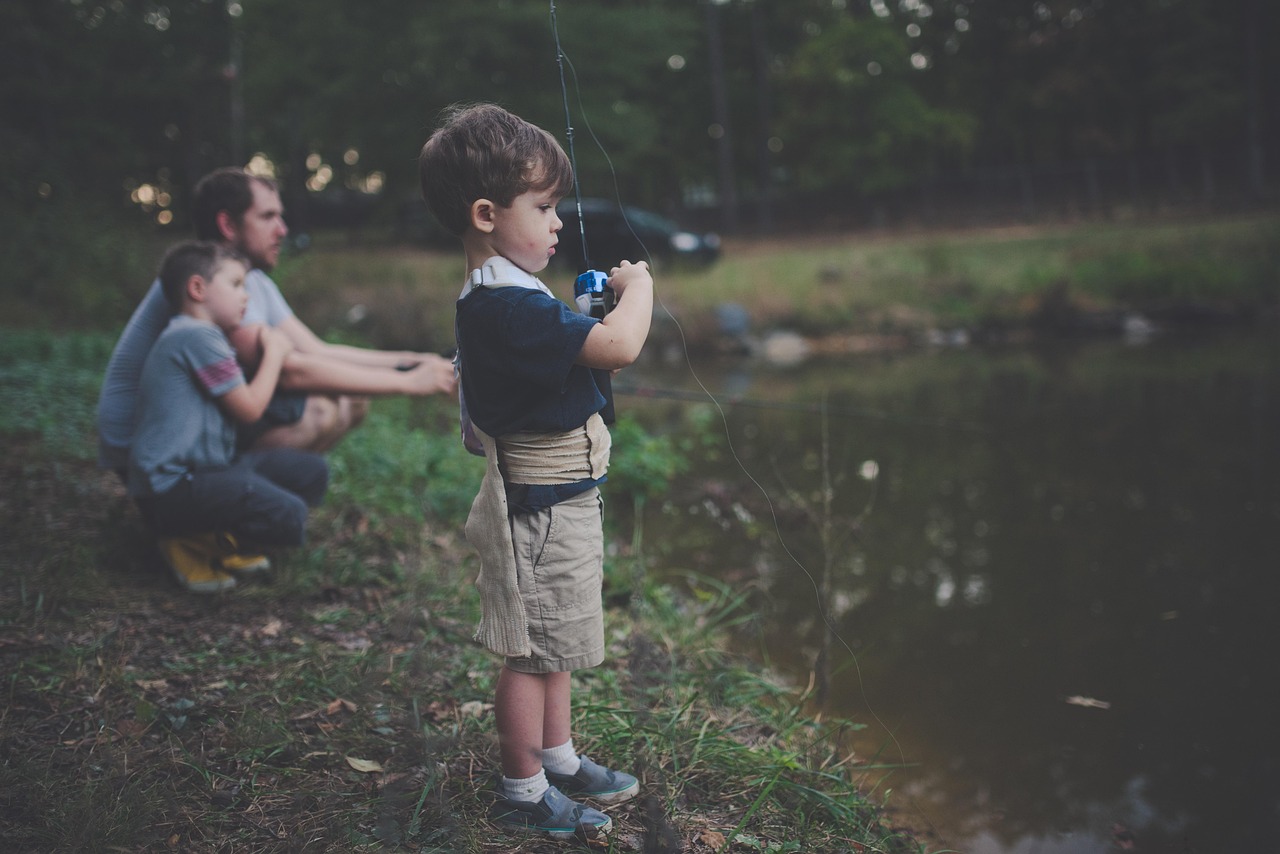
The property offers fishing in three large lakes and a smaller pond, plus the scenic Jones Creek. Alongside outdoor play, children learn valuable life skills like recycling, organic gardening, communication, and healthy eating. Planned trail stations and a community garden will engage participants in hands-on learning from start to finish.
Parent Education and Community Engagement
An essential component of the initiative includes educating parents on the risks of excessive screen time. Missouri Kids Unplugged encourages families to set boundaries and reinforce outdoor values at home. The program’s long-term goal is to promote healthy habits that extend beyond their property.
Group Involvement and Access
The organization seeks to involve local schools, scout troops, churches, and community groups starting in 2016. By relying on grants and donations, the goal is to make the program accessible to all children, regardless of background. Naming opportunities for lakes and other sponsorships are also available to support the initiative.
Key Takeaway
Missouri Kids Unplugged highlights the importance of helping the next generation form lasting, healthy relationships with the outdoors. Encouraging time in nature fosters physical health, emotional well-being, and stronger family connections—guiding principles that align with the spirit of Outdoor Guide Magazine.