Fishing Ontario’s Northwoods
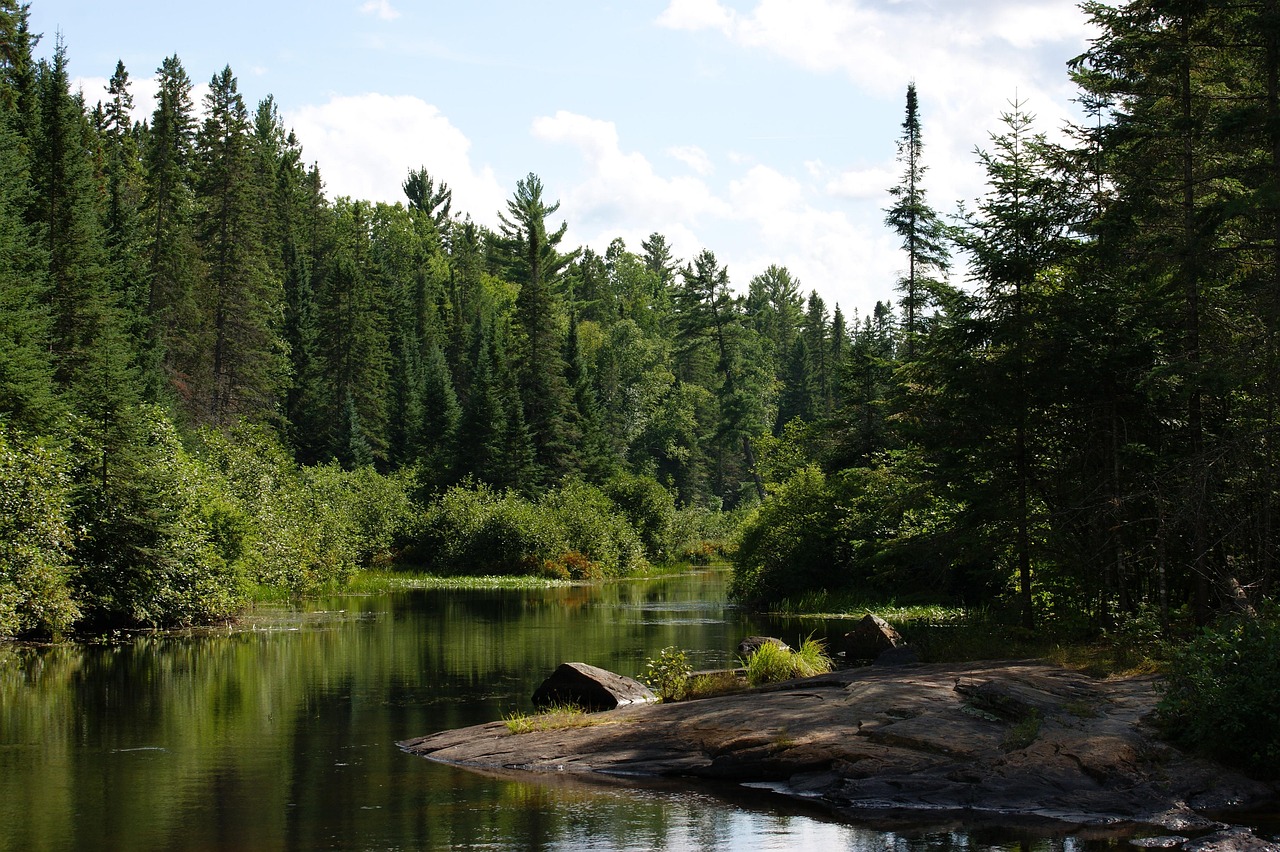
Fishing in Northwest Ontario offers more than just record-breaking smallmouth bass and northern pike. For those who return each year, it becomes a tradition, rooted in friendship, shared knowledge, and a love for the outdoors. This guide recounts such a journey while offering insight for those looking to plan a trip of their own.
Base Camp
Windy Pine Cottages provides an ideal starting point for daily excursions. The four-bedroom lakeside condo includes essentials for a fishing crew, an outdoor deck, a hot tub, a barbecue grill, and space to relax after long hours on the water.
Daily trailering to nearby lakes is part of the rhythm. Most destinations are within a short distance and offer a variety of fishing conditions, making each day unique.
The Fishing Experience
A group of longtime fishing partners returned to Ontario for another week of incredible smallmouth bass and northern pike action. Across eight and a half days, over 1,000 smallmouth were caught, averaging nearly three pounds each. Northern pike measuring over 30 inches added to the excitement.
On some days, the group fished up to three different lakes, adjusting tactics based on conditions and fish activity. One standout pattern developed on the final day, when nearly every cast yielded a bite. Observing bass behavior, particularly bedding males, became a key factor in their success.
Boat Skills and Team Dynamics
Success on remote waters depends not just on gear and fish knowledge but also on team coordination. Boat handling, equipment checks, and daily maintenance were part of the routine. Returning anglers rejoined their mentors and partners after years away, seamlessly fitting into the rhythm of camp life.
While some group members took the lead in navigation or strategy, others offered years of field-tested wisdom. The exchange of roles—from student to teacher—emphasized how every trip adds to shared experience.
Camp Responsibilities
Fishing camps function best with a division of duties. Daily chores, such as cooking, cleaning fish, and maintaining the cabin, are essential for keeping operations smooth. Equal contribution strengthens camaraderie and helps maintain focus on the primary goal: time well spent outdoors.
Recommended Gear and Conditions
- Boat: A reliable 21-foot vessel with a trolling motor and sonar helps in navigating unpredictable lake conditions.
- Lures: Soft plastics and crankbaits worked well for smallmouth bass; spoons and spinnerbaits produced results with northern pike.
- Season: Late spring to early summer offers strong fish activity and manageable weather conditions.
- Clothing: Waterproof rain suits are essential. Sudden showers are common.
- Licensing: Obtain all required Ontario fishing permits before arrival.
Final Takeaway
Trips to the Ontario Northwoods aren’t just about numbers or trophies. They’re about connection—between anglers, generations, and the wild waters they share. Whether you’re starting a tradition or continuing one, the right mix of planning, teamwork, and appreciation for nature ensures every trip tells a lasting story.