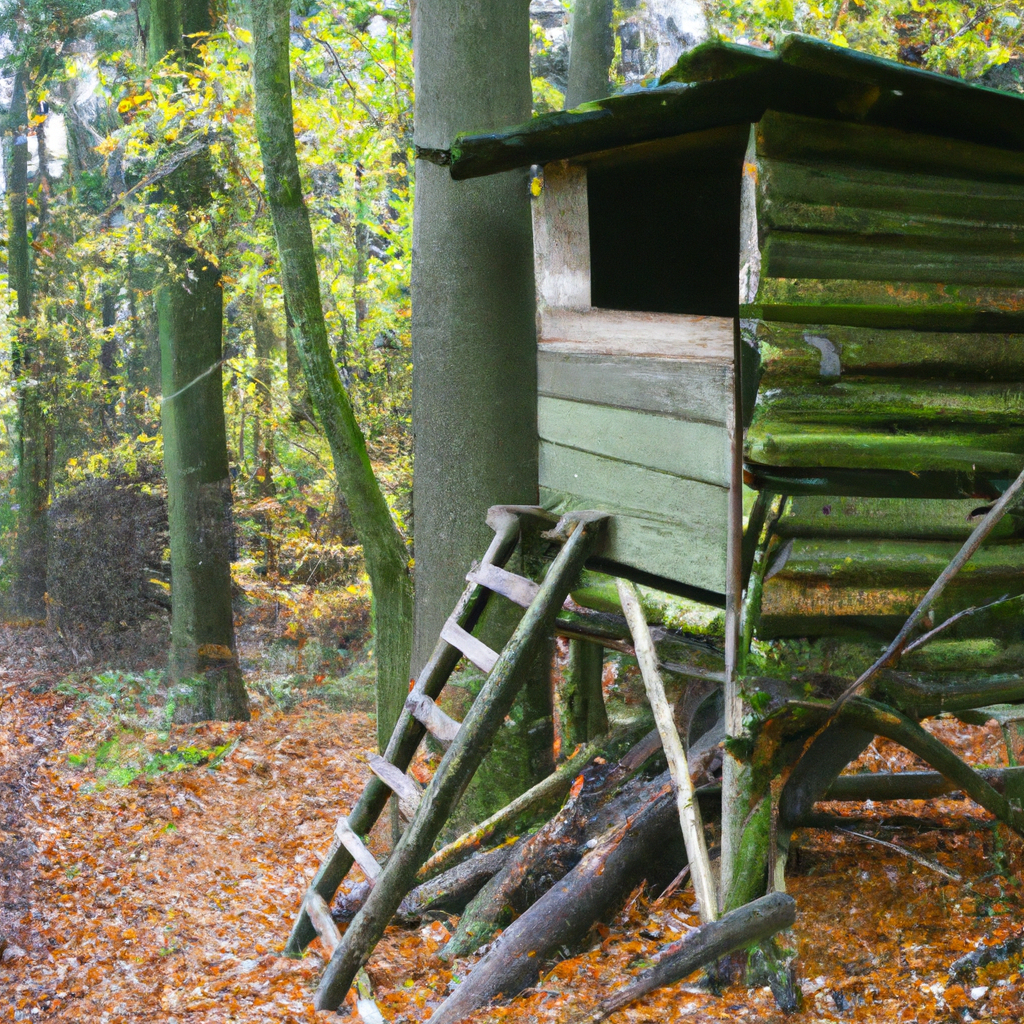
Unusual Outdoor Encounters: A Guide to Nature’s Unexpected Moments
The outdoors often presents surprises that defy expectations. While typical hunting and wildlife experiences follow known patterns, nature occasionally delivers encounters so unusual they seem unbelievable. The following collection showcases real-life scenarios observed by seasoned outdoorsmen and women. These moments offer insights, spark curiosity, and deepen appreciation for the wild, serving as a unique kind of guide through unpredictability in nature.
The Great Turkey Rescue
During a fall turkey hunt in the Big Piney River bottoms, a brood flock was inadvertently scattered. More than 20 turkeys fled into nearby woods and trees. While one hunter filmed the scene, a bobcat emerged, chasing a confused turkey hen. The predator caught its prey just as the camera zoomed in. Surprisingly, the bobcat retreated, allowing recovery of the bird. Nudged gently with a foot, the hen sprang up and escaped into the woods.
Takeaway: Even in a setting where hunting is the goal, unexpected opportunities for wildlife rescue may arise, demonstrating the unpredictability of predator-prey dynamics in the field.
Distracted Turkey Encounter
While spring hunting in the Kansas Sand Hills, a gobbler responded quickly to calls. The bird, partially visible through thick brush, strutted forward. Suddenly, a roadrunner darted between its legs twice. The gobbler continued unaffected.
Takeaway: Territorial behavior and interspecies interaction can distract even dominant wildlife, offering a reminder to observe broader environmental details when in the field.
Coordinated Bobcat Hunting
A deer hunter witnessed three bobcats—two adults and one juvenile—working together to hunt squirrels. Two pursued the prey back toward a nest tree, while the third lay in wait at the base. Their successful coordination led to a capture.
Takeaway: Predators sometimes hunt cooperatively, even among species considered solitary. Such observations expand understanding of animal behavior and adaptation.
Owl vs. Decoy
While waiting for shooting light during a duck hunt, a hunter witnessed a barred owl mistake a decoy for prey. The owl struck the plastic decoy mid-air, then fluttered to the shoreline, disoriented. It flew off soon after.
Takeaway: Wildlife can be deceived by human-made replicas, emphasizing the realism of hunting gear and the need to remain alert to potential accidents involving other species.
Snake and the Frog
A snake was seen attempting to swallow a large green frog. With the frog partially consumed, the snake became aware of a nearby human and hesitated. Unable to flee or finish swallowing quickly, it released the frog, which leapt into the water and escaped.
Takeaway: Wild animals often assess threats mid-hunt and may abandon prey when confronted, a valuable reminder of how presence alone can influence natural events.
Swimming Turkey
A large gobbler was seen strutting just out of range, ignoring calls. Later, a wild turkey hen was spotted swimming across a river. She may have misjudged her launch and ended up floundering in the water. Despite lacking webbed feet, she paddled with her legs and reached the far bank.
Takeaway: Turkeys are not typically swimmers, but survival instincts can drive animals to perform unexpected behaviors under stress or necessity.
Jackrabbit Showdown
While observing three jackrabbits in a grassy clearing, two males competed for a female. One suddenly sprayed the other with a long stream of urine. In retaliation, the soaked hare launched a counterattack, returning the favor in a similar display.
Takeaway: Mating competition among animals can involve surprising, even comical tactics. Such moments reflect the diversity of natural behaviors seen in the wild.
Vultures in Flight Collision
While floating along an Ozark river, a group observed turkey vultures soaring above limestone bluffs. Two of the birds collided mid-air, bounced off each other, and resumed gliding as if nothing had happened.
Takeaway: Even skilled flyers are not immune to miscalculations. These incidents highlight how close observation of wildlife can reveal both the grace and imperfection of natural movement.
Each scenario, while unusual, enriches understanding of wildlife behavior and human interaction with nature. These stories serve not just as entertainment, but also as examples of the unexpected lessons available to anyone exploring the outdoors.